
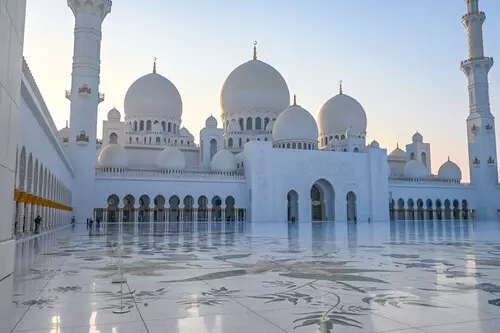
The Best Palaces In Vienna You Can’t Miss
Vienna captivated me with its elegance – every corner here breathes history, and walking through its streets sometimes felt like a journey through time. Yet it is the palaces that reveal the city’s imperial past most vividly. They not only testify to the grandeur of the Habsburgs but also open doors to a mysterious world where luxury intertwined with daily life, and gardens became quiet places of escape.
Each palace in Vienna has its own style – some impress with their size, others charm with their coziness and tranquility. While visiting them, I often think that they are not just historical buildings but living stories about love, power, dreams, and the everyday lives of emperors.
In this guide, I will share the most remarkable palaces of Vienna – from the most famous ones visited by millions of travelers to the lesser-known, yet equally worthy of attention.
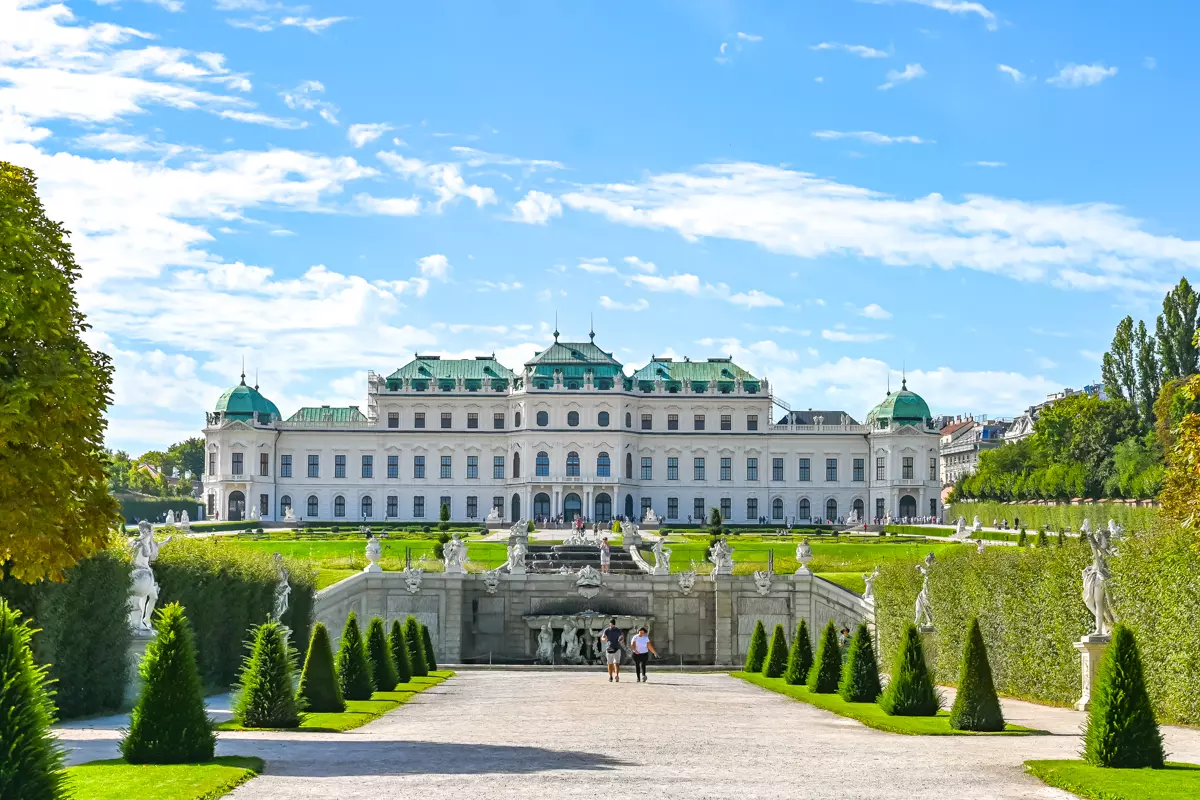
Most Beautiful Palaces In Vienna
Schönbrunn Palace
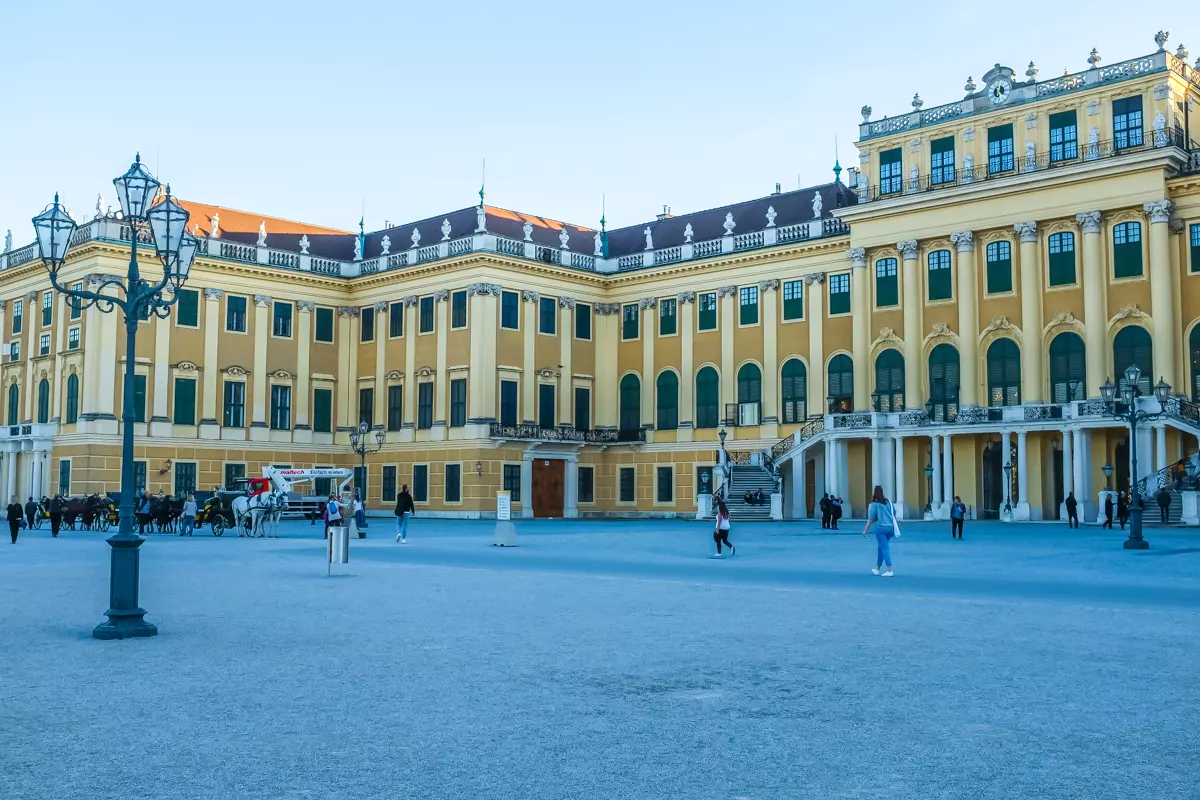
If I had to choose one place that best embodies Austria’s imperial grandeur, without a doubt it would be Schönbrunn Palace. Once the Habsburgs’ summer residence, it is now one of the most visited landmarks in the country. Listed as a UNESCO World Heritage site, the palace is not only rich in luxury and history, but also a place where you can truly sense how one of Europe’s most powerful dynasties lived.
As soon as you enter through the palace gates, visitors are greeted by a majestic, golden-yellow facade. The longer you look, the more you understand that this palace was built not only to live in, but also to impress. So, what to see in Schönbrunn?
Palace interiors
A tour of the palace reveals around 40 magnificent rooms – from ornate reception halls to the cozier private apartments of the imperial family. Particularly impressive is the Great Gallery, a long hall with mirrors and crystal chandeliers, where balls and waltzes once took place. Standing there, you can easily imagine Mozart’s music filling the hall and ladies in elegant gowns twirling across the floor centuries ago.
Palace gardens
Entering the gardens feels like stepping into an open-air art gallery. Symmetrical avenues, fountains, and sculptures create a harmonious view, making it easy to spend several hours wandering around.
The Gloriette
Perched on a hill, the Gloriette offers sweeping views over the palace and gardens. The sight is truly breathtaking – formal parterres stretch out in front, while Vienna unfolds in the distance.
The Zoo
The Schönbrunn Zoo is the oldest in the world, established in 1752. It’s a lively place to visit, enjoyable not only for children but also for adults.
Palm House
This enormous 19th-century glass greenhouse impresses both with its scale and with the variety of plants it contains. Inside is a remarkable collection of exotic species from all around the world.
Carriage Museum
The Carriage Museum showcases the emperors’ means of transport – from simple carriages to truly extravagant coaches. It’s fascinating to see the pomp and splendor that once accompanied imperial journeys.
Tip: If you want to avoid the crowds, visit early in the morning or later in the afternoon – that way you can enjoy the gardens in peace.
Also read: How To Get To Schönbrunn Palace In Vienna
Hofburg Palace
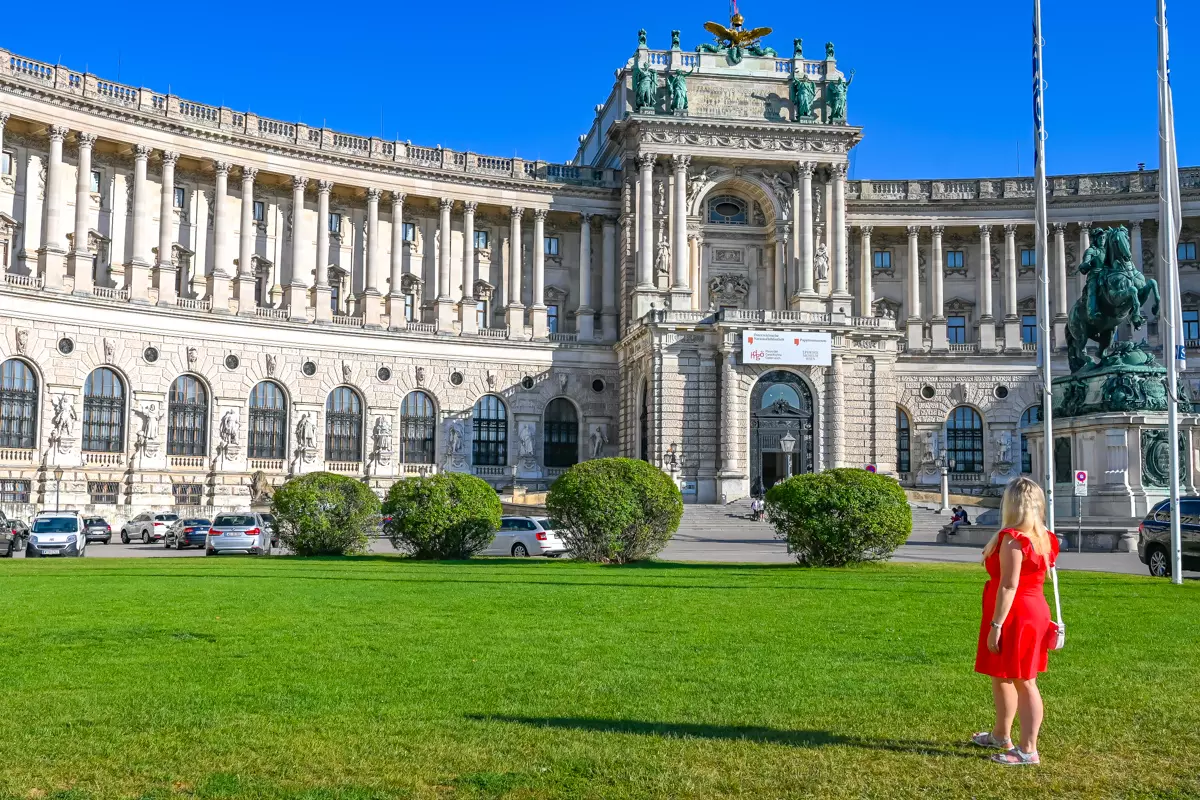
The Hofburg is not just a palace but the very heart of Vienna. For centuries, it was home to the Habsburg dynasty, where important political decisions were made, banquets were held, and official receptions took place. Walking through this vast complex, I felt as if I could sense the pulse of imperial life.
Imperial Apartments
These rooms reveal the everyday life of the Habsburgs. Authentic furniture, ornate halls, and cozier chambers tell the story of Emperor Franz Joseph and his wife Elisabeth – the legendary Sisi.
Sisi Museum
One of the most visited parts of the Hofburg is the museum dedicated to Empress Elisabeth. Surrounded by legends, the exhibition reveals her personality in both its romantic and tragic sides. Here you can see her personal belongings, travel accessories, and stunning dresses that still amaze with their elegance.
Spanish Riding School
If you have more time, it is worth visiting the Spanish Riding School. The performances of the Lipizzaner horses are a true spectacle, combining tradition, discipline, and aesthetics. Even if you cannot attend a show, just seeing this historic arena leaves a lasting impression.
Imperial Treasury
This is truly the treasure chamber of the Hofburg. It houses irreplaceable treasures – the coronation regalia of the Holy Roman Empire, relics, and jewel-encrusted symbols of power. The Treasury perfectly reflects the grandeur and ambitions of the Habsburgs.
Tip: Plan at least a few hours for your visit, as the Hofburg is large and you will need time to explore its museums at a relaxed pace.
Belvedere Palace
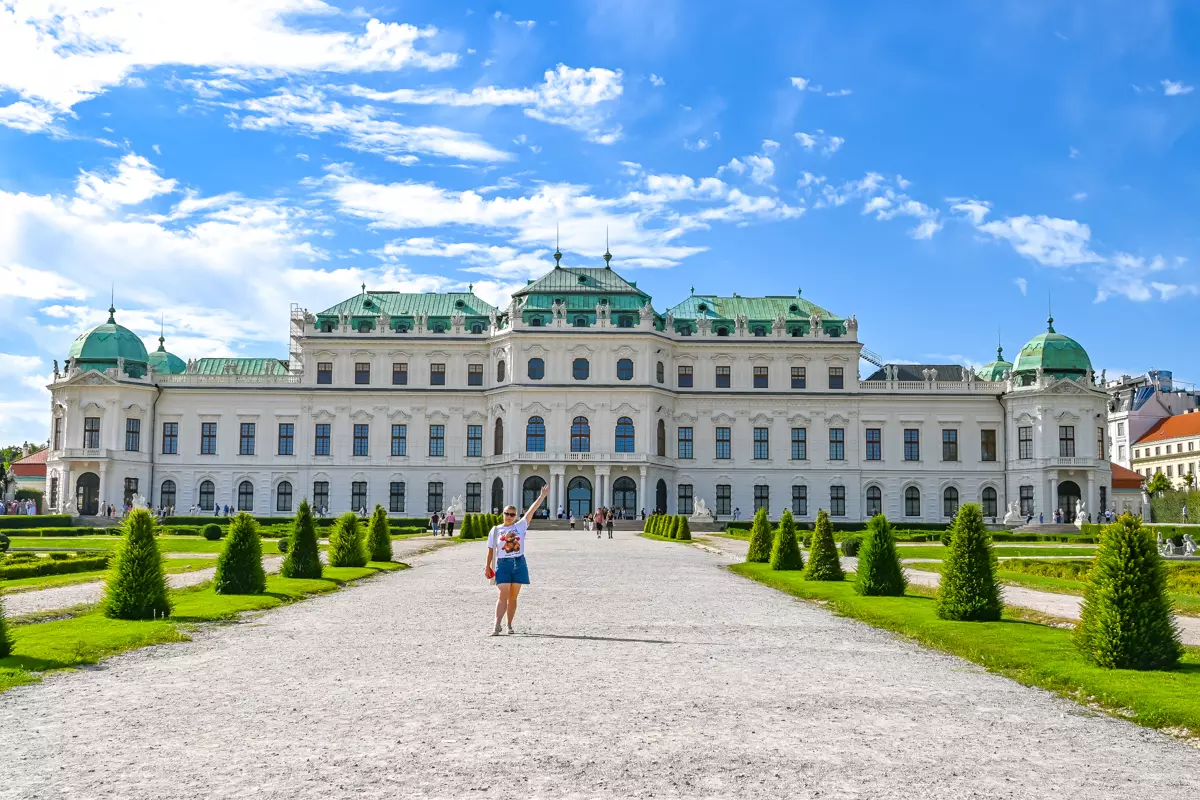
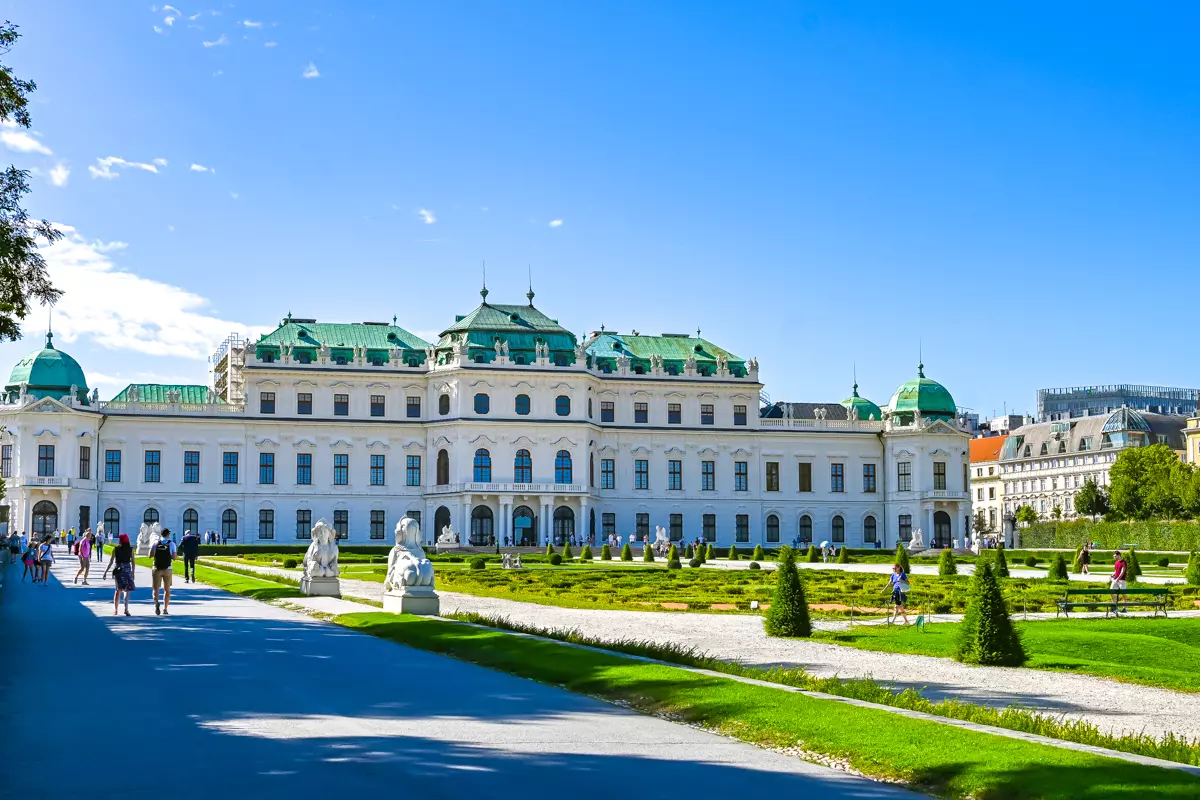
The Belvedere is a palace complex built in the 18th century for the legendary military commander Prince Eugene of Savoy. Today, it impresses not only with its Baroque architecture and symmetrical gardens but also with one of the richest art collections in all of Austria. For me, it is one of the most beautiful palaces in Vienna, a place I would definitely like to return to.
Upper Belvedere
This is a true treasure trove of art. It houses Austria’s most famous painting collection, with Gustav Klimt’s The Kiss as its highlight. Alongside it are other works by Klimt, as well as works by Egon Schiele and Oskar Kokoschka, revealing the diversity of modernism.
Lower Belvedere
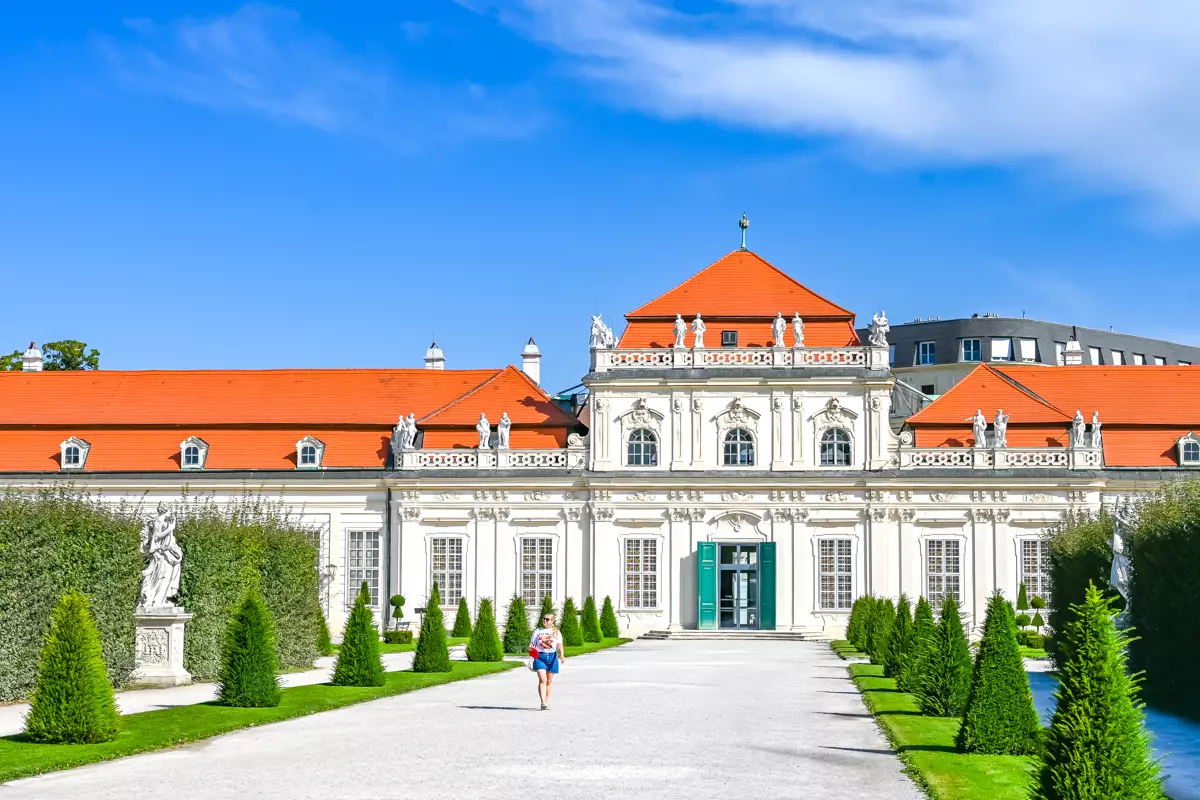
This palace is smaller, but its atmosphere is different – it often hosts temporary exhibitions, and you can also learn more about Prince Eugene himself.
Belvedere Gardens
The symmetrical Baroque gardens connect the Upper and Lower Belvedere. Walking among the flowerbeds, fountains, and sculptures, you can feel the true beauty of Baroque harmony. In spring or early summer, the greenery is even more vivid, making the views especially photogenic.
Liechtenstein Palaces
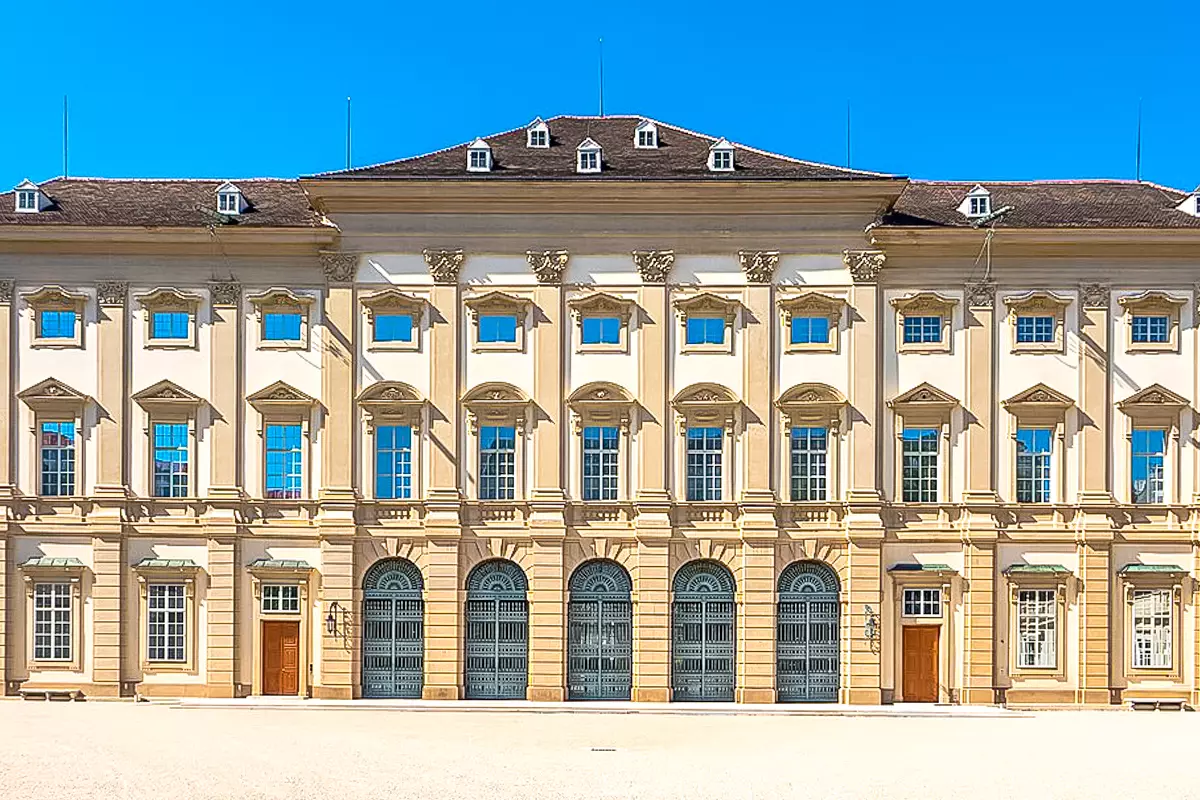
Vienna is famous for its grand palaces, but not all of them are crowded with tourists. The Liechtenstein Palaces – the Garden Palace and the City Palace – are places where the city’s rhythm seems to slow down. Here, the way of life of the old nobility is revealed in a much more intimate setting. This residences belonged to the powerful Liechtenstein family, who left a deep mark on Austria’s history, and for a long time it served as their representative home.
Garden Palace
This palace allows you to immerse yourself in the Baroque era. Ceiling frescoes, historic halls, and the Liechtenstein family’s art collections create the atmosphere of a true museum. You can see works by Rubens, van Dyck, and other European masters.
Gardens
The Garden Palace is surrounded by Baroque gardens – smaller than those of Schönbrunn, but especially cozy. It is a perfect place for a slow stroll, sitting on a bench, or watching the play of light and shadow on the palace facade.
City Palace
Located closer to the city center, this palace was built for representative receptions. Today, its halls often come alive with concerts and cultural events, so it continues to fulfill its historical role. Even if you cannot get inside, the facade will surely catch your eye – it is one of the elegant highlights of Vienna’s architecture.
Tip: You can only visit the palaces on public guided tours, usually on selected Fridays, so make sure to book in advance on the official site. The tours are mostly in German, but don’t worry – there’s a free English audio guide you can use.
Discover: Top Cruises & Boat Tours in Vienna.
Albertina Palace
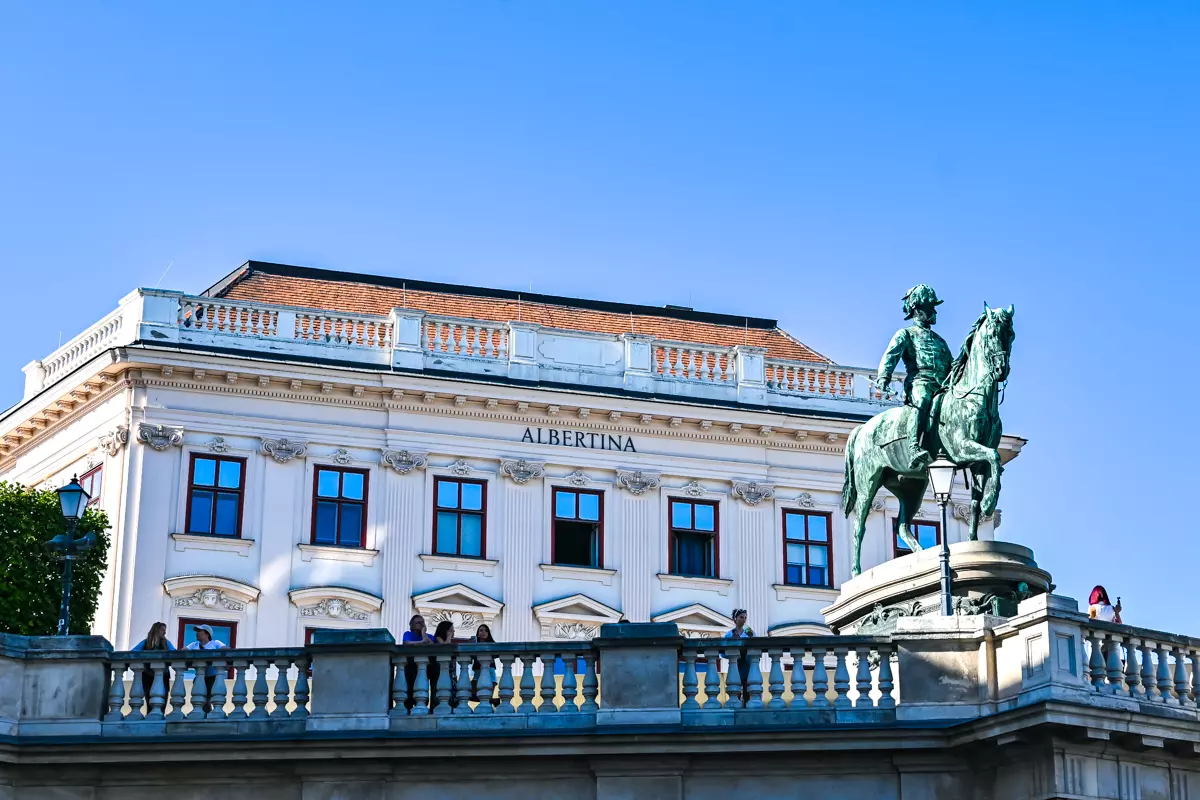
The Albertina is a palace where two sides of Vienna meet – imperial splendor and the modern world of culture. Once owned by the Habsburgs, today it houses one of the most renowned galleries in Europe. It is a place where you can not only admire the palace interiors but also immerse yourself in world-class art collections.
The Albertina fascinates with its contrasts – on one side are elegant, ornate apartments, and on the other, contemporary exhibition spaces. Thanks to this combination, the palace appeals both to art lovers and to those who simply want to experience how history blends seamlessly with the present.
Imperial Apartments
The preserved interiors offer a glimpse into Habsburg daily life. Authentic or restored furniture, crystal chandeliers, and decorative details recreate the atmosphere in which the nobility once lived. These spaces radiate luxury, yet also reveal moments of everyday life.
Permanent Art Collections
The Albertina is home to one of the world’s most extensive collections of graphic art – with more than a million prints and tens of thousands of drawings. Among the most famous works are Dürer’s Young Hare and sketches by Michelangelo. The museum also boasts an impressive selection of Impressionist and Modernist art, including works by Monet, Renoir, Cezanne, Picasso, and Chagall.
Temporary Exhibitions
The Albertina regularly hosts international exhibitions, so each visit can be completely different. Even if you return a second or third time, you will always discover something new.
Albertina Terrace
The palace terrace offers views of the Vienna State Opera and the city center. It is a perfect spot for a short break between exhibitions or a moment to enjoy the panorama. I liked that it gave me a chance to see the busy city from a calmer place.
Tip: The Albertina is located in the city center, making it easy to combine your visit with other sights.
Other Palaces In Vienna Worth Seeing
While I only managed to visit the main palaces during my stay in Austria’s capital, Vienna has many others worth discovering. Some may not be as famous as Schönbrunn or the Hofburg, but I believe each hides its own distinct charm.
Palais Ferstel
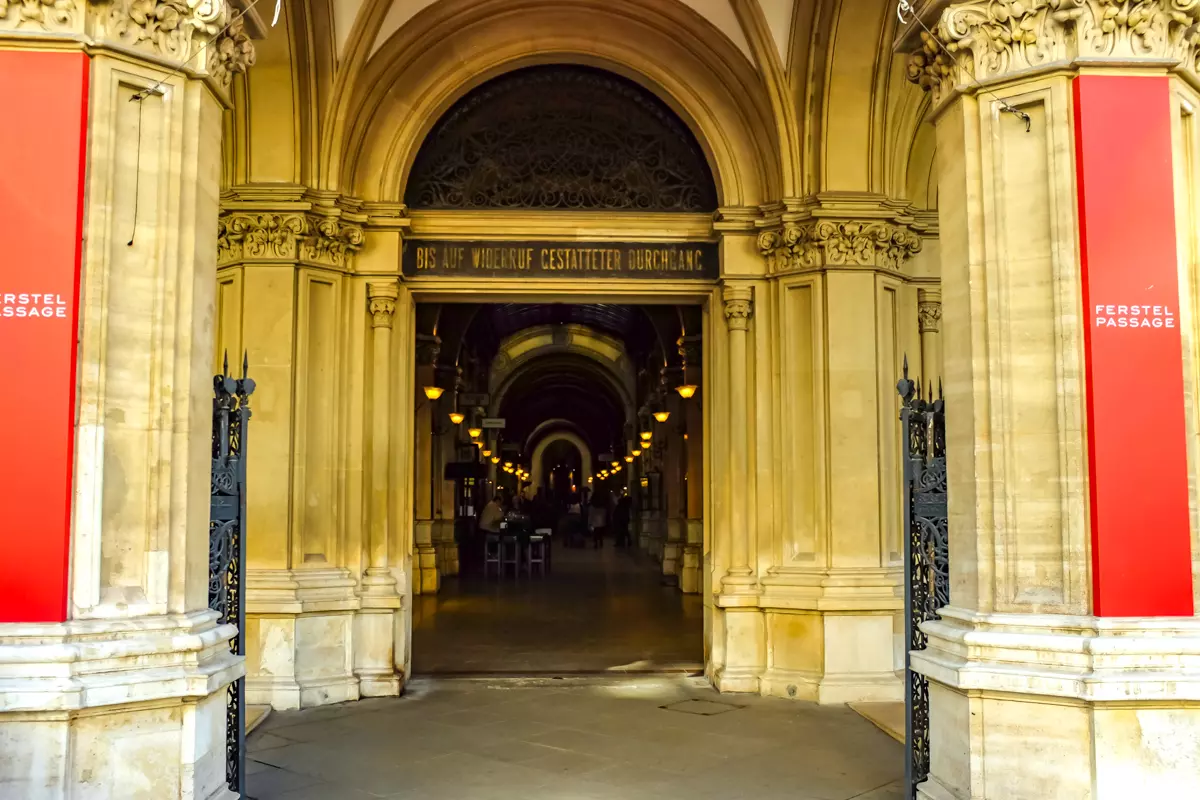
Built in the 19th century, this palace immediately catches the eye with its Renaissance-style features reminiscent of Venice or Florence. Entering its arcaded passage, you are greeted by a sense of calm – vaulted ceilings, the play of light and shadow, and the aromas of cozy cafes. It is one of the most beautiful spots for strolling in the old town.
Palais Ferstel is also renowned for being home to the legendary Cafe Central – a place where intellectuals and artists once gathered.
Tip: The best time to come here is early in the morning or on a weekday – that way it is easier to find a free seat in the cafe.
Palais Obentraut
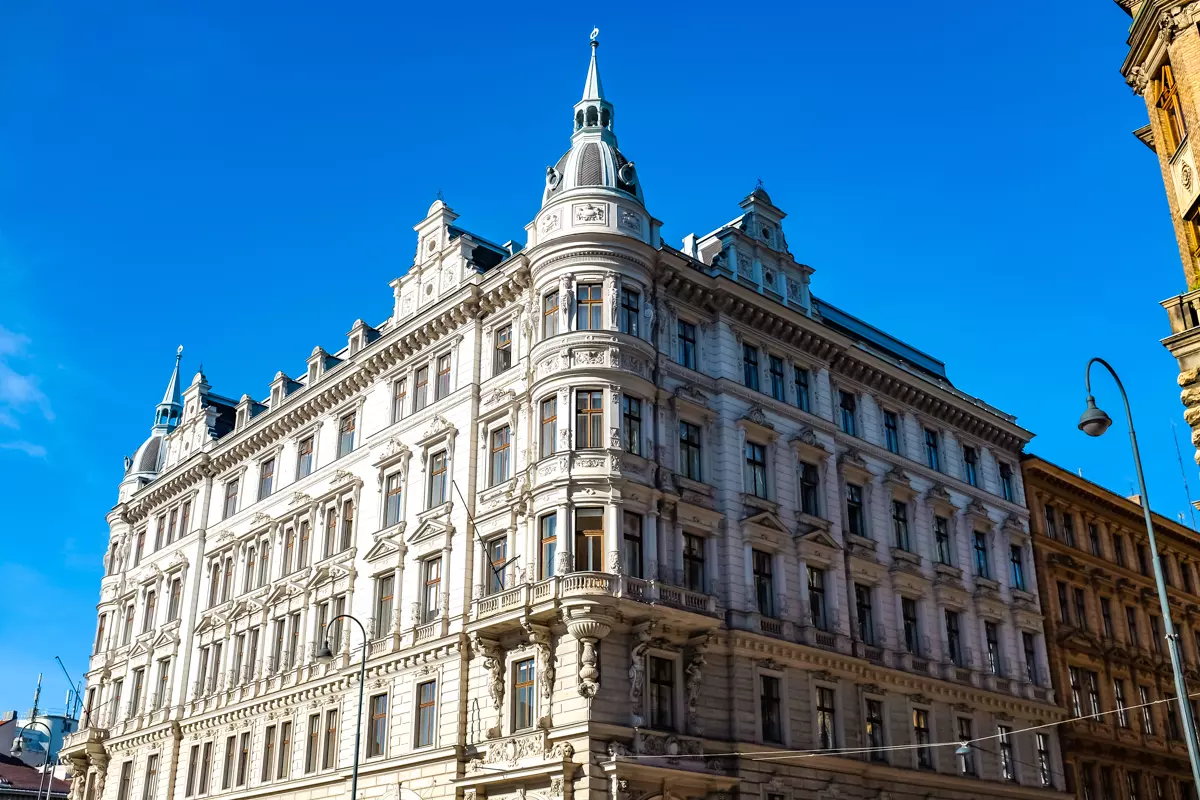
Just a few minutes’ walk from the Town Hall, you will find a palace distinguished by Neo-Gothic details. Small towers, an ornamented facade, and symmetrical architecture give it a subtle romantic character.
Today the palace houses offices, so it is not a museum. Still, you can peek into the courtyard through the gates or simply pause at the facade, which looks especially beautiful.
Palais Pallavicini
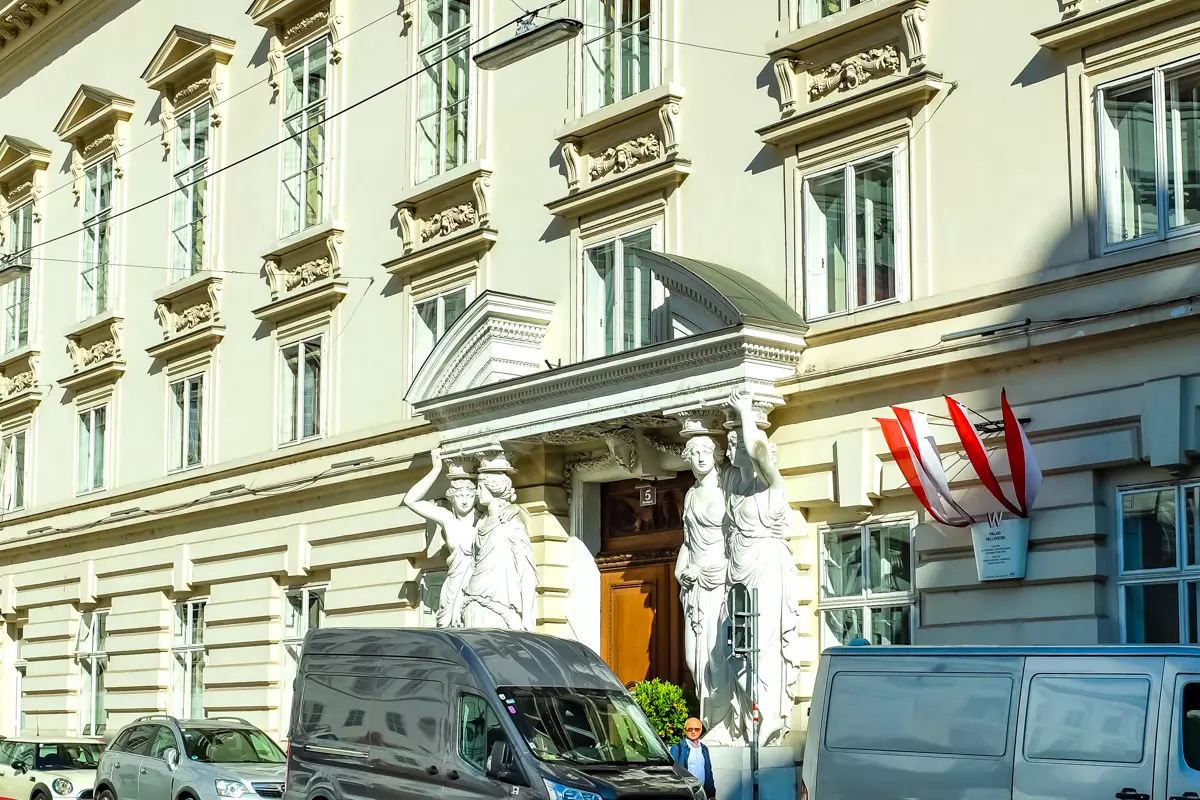
Exiting the Hofburg gates onto Michaelerplatz, you will see the Pallavicini Palace. Its neoclassical facade looks restrained, yet it lends the square a special sense of harmony. This is one of those places where architecture becomes inseparable from the composition of the square.
The palace interior is usually closed to tourists, but its grand halls are often rented out for concerts, exhibitions, and private celebrations.
Palais Palffy
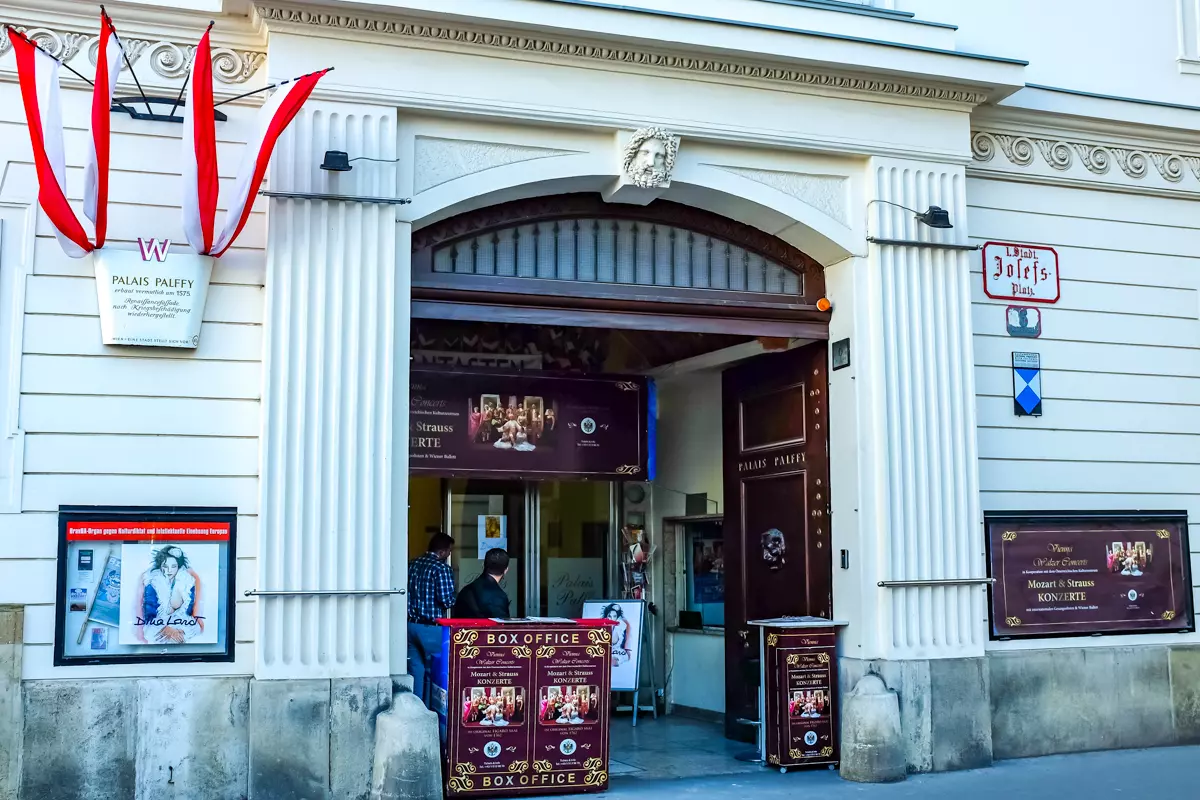
The Palffy Palace is most famous for its connection to music. It is said that Mozart’s The Magic Flute was performed here for the first time. Since then, the palace has remained closely tied to culture and the arts.
Today its halls regularly host concerts and exhibitions, making the palace not only a historic building but also a vibrant cultural venue. It is a great place to feel the spirit of classical music in modern Vienna.
Tip: Check the events program before your trip – you might be able to attend a concert.
FAQs About Vienna’s Best Palaces
How much time do you need to visit Vienna’s palaces?
If you only want to see the main sites (Schönbrunn, the Hofburg, and the Belvedere), 1–2 days will be enough. If you plan to include lesser-known palaces or museums in your itinerary, it is worth staying in Vienna for at least 3–4 days.
Can you take photos inside the palaces?
No. In many museum areas photography is prohibited (especially with flash). It is best to check the signs before entering or ask the staff. However, gardens, courtyards, and facades can be photographed as much as you like.
When is the best time to visit Schönbrunn, the Hofburg, or the Belvedere?
In the morning right after opening, or later in the evening. At those times you can avoid the biggest crowds and enjoy the spaces more peacefully.
Do you need to buy tickets in advance?
Yes, I definitely recommend purchasing tickets in advance, especially for Schönbrunn, the Hofburg, the Albertina, and the Belvedere. Buying online is more convenient and will also save you time waiting in line.
Book your flight
For the best flight deals, I always rely on Skyscanner. Features like Multi-city and Explore Everywhere help me uncover incredible travel opportunities.
Rent a car
Discovercars is my top choice for comparing car rental prices for any road trip around the world. The booking experience is always smooth and easy.
Travel insurance
SafetyWing provides affordable travel medical insurance with global coverage, perfect for digital nomads and long-term travelers.
Book Tours & Attractions
Experiencing a destination to the fullest is easier with a well-planned itinerary. I use GetYourGuide for guided tours and Tiqets for quick access to museum and amusement park tickets.
Protect yourself online by VPN
No matter where I go, I always use NordVPN for secure browsing and to ensure I can access websites that might be blocked in certain countries.
Disclosure: I only suggest companies that I personally rely on. If you use the affiliate links in my posts to book services, I’ll earn a small commission, with no extra cost to you.
Have you been to any of the Vienna Palaces, like Schönbrunn, the Hofburg, or Belvedere? Share your impressions below!
Share on

Hi, I’m Evelina, a travel enthusiast who loves nature, peace, and authentic places. I cherish the freedom to explore and learn with each adventure, whether it’s hiking trails, stunning beaches, natural parks, unique architecture, or rich cultural heritage. I hope my experiences inspire you to embark on your own journeys!